
Author: DM Dispatch

  • The Power of Storytelling in Global Brand Campaigns

    The Power of Storytelling in Global Brand Campaigns

    In an increasingly crowded marketplace, brands need more than just products—they need compelling stories. Storytelling has emerged as a powerful tool for global campaigns, helping brands connect emotionally with audiences, build loyalty, and differentiate themselves from competitors. In 2025, successful brands are leveraging storytelling to create memorable and impactful marketing experiences worldwide.


    Why Storytelling Matters in Marketing

    Builds Emotional Connections

    Consumers are more likely to remember and engage with brands that evoke emotions through stories. A well-told narrative can inspire trust, loyalty, and advocacy.

    Enhances Brand Identity

    Storytelling helps convey a brand’s values, mission, and vision in a way that resonates across cultural and geographic boundaries.

    Increases Engagement and Conversions

    Brands that tell authentic stories often see higher engagement rates, as audiences feel personally connected to the message.


    How Global Brands Use Storytelling

    Consistent Messaging Across Markets

    Successful global campaigns maintain a consistent narrative while tailoring elements to local cultures, languages, and values.

    Visual and Interactive Storytelling

    Videos, infographics, and immersive experiences allow brands to bring stories to life, capturing attention and enhancing recall.

    Influencer-Led Narratives

    Collaborating with influencers enables brands to amplify authentic stories and reach diverse audiences across multiple regions.

    Data-Driven Storytelling

    By leveraging AI and analytics, brands can understand audience preferences and craft stories that resonate on a personal level.


    Challenges in Global Storytelling

    • Ensuring narratives translate accurately across languages and cultures
    • Avoiding culturally insensitive content
    • Balancing local relevance with global brand consistency

    Emerging Trends in Brand Storytelling

    Interactive and Immersive Campaigns

    AR, VR, and metaverse experiences allow audiences to participate in the brand story, creating stronger connections.

    Purpose-Driven Stories

    Consumers increasingly favor brands that demonstrate social responsibility and use storytelling to highlight sustainability, ethics, and impact.

    Micro-Storytelling on Social Platforms

    Short-form content on platforms like TikTok, Instagram Reels, and YouTube Shorts enables brands to deliver quick, engaging narratives to global audiences.


    Conclusion

    The power of storytelling in global brand campaigns lies in its ability to create meaningful connections, convey brand values, and drive engagement. By combining emotional narratives, cultural relevance, and immersive technology, brands can craft campaigns that resonate worldwide. In 2025 and beyond, storytelling remains an essential strategy for brands aiming to leave a las

  • The Rise of Programmatic Advertising: What Marketers Need to Know

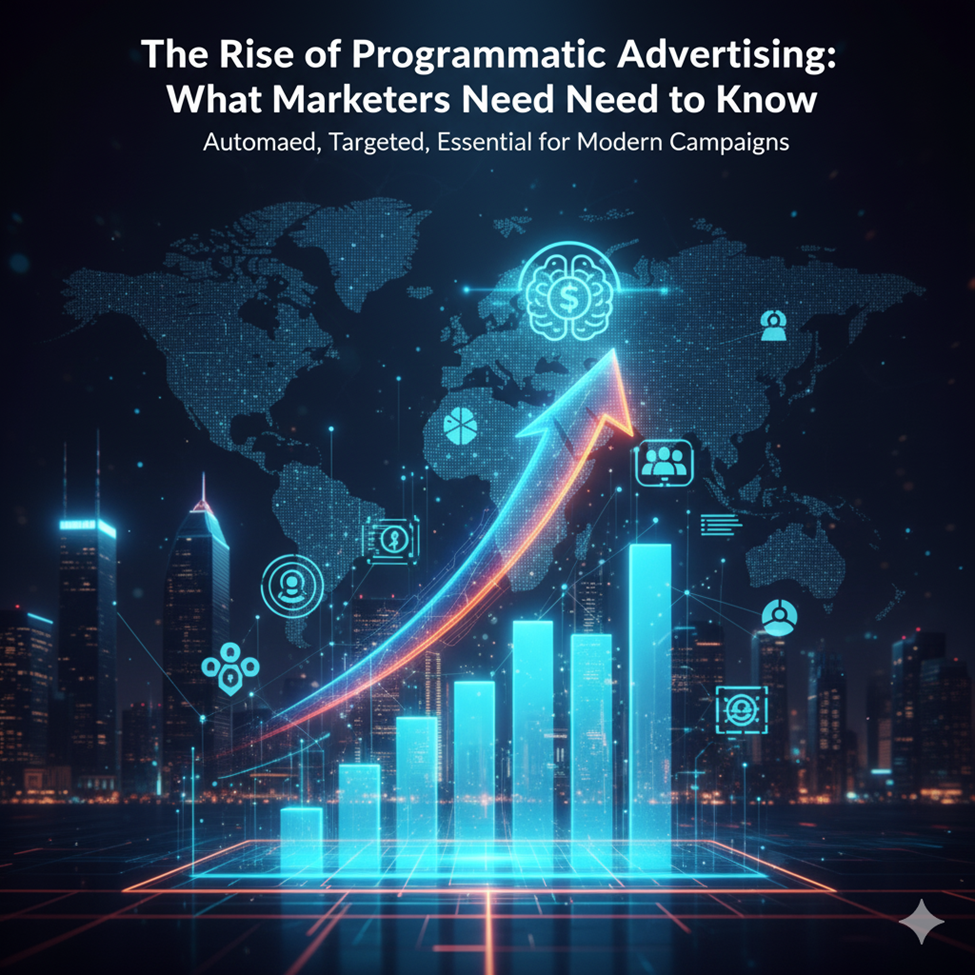
    The Rise of Programmatic Advertising: What Marketers Need to Know

    The digital advertising world is evolving rapidly, and programmatic advertising is at the center of this transformation. By using AI and real-time bidding, programmatic advertising allows brands to purchase ad space more efficiently and target audiences with incredible precision. For marketers in 2025, understanding how this works is essential to staying competitive.


    What Is Programmatic Advertising?

    Programmatic advertising is the automated buying and selling of digital ad inventory through advanced software and algorithms. Instead of traditional manual negotiations, brands now use real-time systems to place ads across websites, apps, and social platforms.


    Why Programmatic Advertising Is Growing

    Efficiency and Automation

    Marketers no longer have to negotiate with publishers. Programmatic platforms automate the entire process, saving time and reducing human error.

    Advanced Targeting Capabilities

    Through data-driven insights, advertisers can target specific demographics, locations, devices, and even user behavior, ensuring that ads reach the right audience.

    Cost-Effective Campaigns

    With real-time bidding (RTB), advertisers can optimize budgets and only pay for the impressions most likely to convert.


    Key Benefits for Marketers

    Greater Reach and Scale

    Programmatic advertising enables brands to run campaigns across multiple platforms simultaneously, expanding visibility worldwide.

    Real-Time Analytics

    Marketers can track performance instantly, making it easier to adjust campaigns for higher ROI.

    Personalized Ad Experiences

    AI-driven insights make ads more relevant, boosting click-through rates and customer engagement.


    Challenges of Programmatic Advertising

    While programmatic advertising is powerful, it comes with challenges:

    • Concerns over ad fraud and transparency
    • Overreliance on algorithms instead of human creativity
    • Privacy regulations limiting data use

    The Future of Programmatic Advertising

    Integration with AI and Machine Learning

    Expect smarter algorithms that refine targeting and campaign performance.

    Cross-Channel Programmatic Campaigns

    Marketers will increasingly use programmatic ads across video, audio, mobile, and connected TV (CTV) platforms.

    Privacy-First Advertising

    As data regulations tighten, privacy-compliant targeting strategies will shape the next era of digital advertising.


    Conclusion

    The rise of programmatic advertising is revolutionizing the way brands connect with consumers. By combining automation, AI, and real-time data, marketers can deliver highly targeted campaigns with greater efficiency and ROI. Whi
  • Top 7 Global Brands Winning at Digital Marketing in 2025

    Top 7 Global Brands Winning at Digital Marketing in 2025

    In today’s competitive business world, digital marketing is the driving force behind global brand success. From innovative social media campaigns to data-driven personalization, leading brands are leveraging the latest strategies to dominate the digital landscape. In 2025, some companies have set the standard for excellence in online branding, engagement, and conversions. Let’s explore the top 7 global brands winning at digital marketing this year.


    Apple – Leading with Storytelling and Innovation

    Apple continues to shine in digital storytelling. With sleek campaigns that highlight user experience, Apple builds emotional connections through visuals, videos, and influencer collaborations. Its omnichannel marketing approach ensures consistency across platforms, driving strong customer loyalty.


    Nike – Personalization Through Data and AI

    Nike excels at personalized digital marketing by using AI-driven insights to deliver tailored product recommendations and targeted ads. Through apps like Nike Training Club and creative storytelling on social platforms, the brand inspires customers worldwide.


    Amazon – Master of Data-Driven Marketing

    Amazon dominates with AI-powered recommendations, personalized email campaigns, and voice search marketing through Alexa. By leveraging customer data, Amazon delivers highly relevant offers, making it one of the most effective brands in digital marketing.


    Coca-Cola – Building Engagement with Social Media

    Coca-Cola is a pioneer in social media marketing. Through interactive campaigns, contests, and influencer partnerships, the brand creates shareable content that drives engagement. Its focus on cultural trends helps Coca-Cola stay relevant globally.


    Tesla – Disruptive Marketing and Brand Advocacy

    Tesla thrives on digital-first strategies with minimal traditional advertising. Instead, the brand relies on Elon Musk’s online presence, viral social media buzz, and strong community engagement. Tesla’s digital advocacy model turns customers into brand ambassadors.


    Google – Dominating Search and Content Marketing

    As the leader in search marketing, Google leverages its own platforms to drive SEO, PPC campaigns, and content strategies. By integrating AI, analytics, and personalized ads, Google ensures maximum reach and relevance in digital advertising.


    Samsung – Creativity Meets Technology

    Samsung’s digital marketing campaigns focus on immersive experiences, including AR/VR, influencer collaborations, and interactive product launches. By connecting creativity with technology, Samsung continues to grow its global customer base in 2025.


    Key Digital Marketing Trends Driving Their Success

    Personalization and AI Integration

    Brands are using AI-powered tools to deliver more relevant, customer-focused campaigns.

    Video and Interactive Content

    Short-form video, live streams, and AR/VR experiences are dominating global campaigns.

    Omnichannel Strategies

    The best-performing brands ensure consistency across websites, apps, social media, and physical stores.


    Conclusion

    The top 7 global brands winning at digital marketing in 2025 prove that innovation, personalization, and customer engagement are the keys to success. From Apple’s storytelling to Amazon’s data-driven strategies, these companies are shaping the future of advertising worldwide. Businesses of all sizes can learn from their strategies to build stronger, more impactful digital campaigns.

  • Why Personalization Is the Key to Successful Global Campaigns

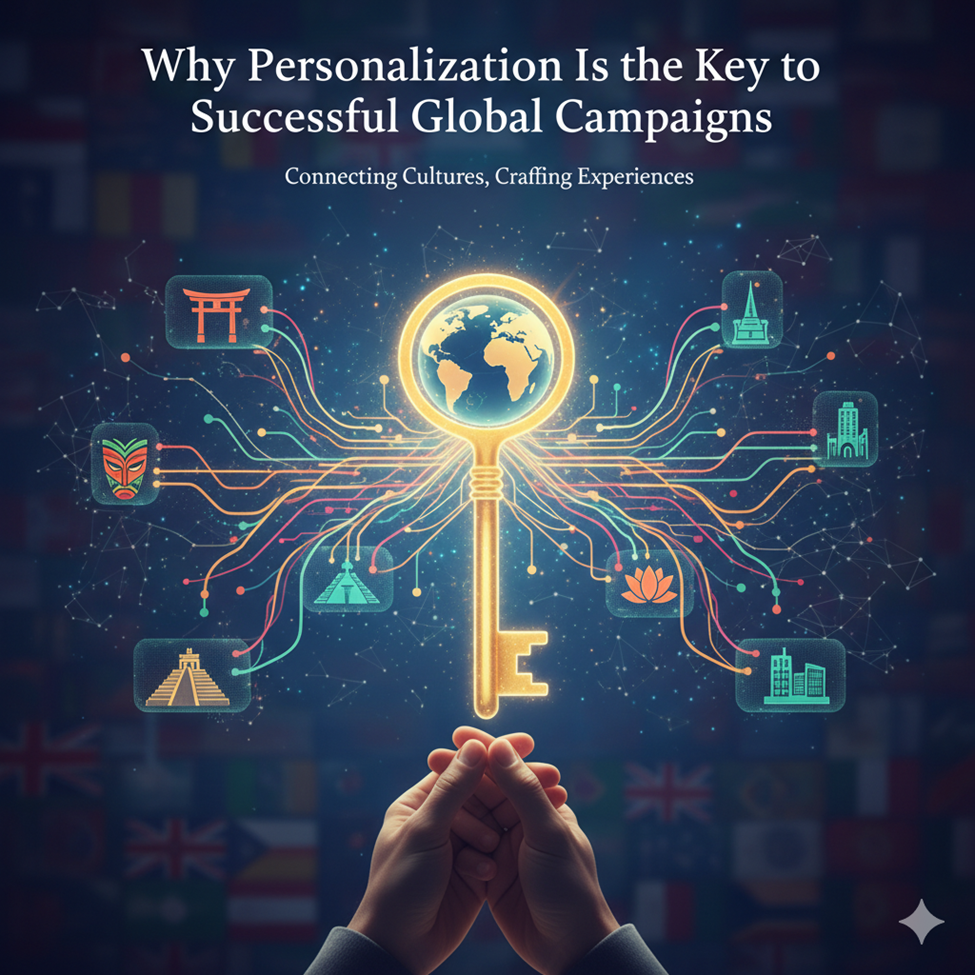
    Why Personalization Is the Key to Successful Global Campaigns

    In today’s digital world, consumers expect brands to understand their needs, preferences, and behaviors. Personalization has become the foundation of successful global marketing campaigns, enabling businesses to build trust, increase engagement, and drive higher conversions. As competition grows worldwide, personalization is no longer optional—it’s a necessity for brands that want to thrive.


    What Is Personalization in Marketing?

    Personalization refers to the process of delivering tailored content, offers, and experiences to individual users based on their demographics, location, browsing behavior, and purchase history. From personalized emails to targeted ads, brands are leveraging data and AI to ensure every interaction feels unique and relevant.


    Why Personalization Matters in Global Campaigns

    Builds Stronger Customer Relationships

    Consumers are more likely to engage with brands that provide relevant experiences. Personalization fosters brand loyalty by showing customers they are valued.

    Increases Engagement and Conversions

    Tailored ads and offers grab attention faster than generic messages. This results in higher click-through rates, improved engagement, and stronger conversion rates.

    Enhances Customer Experience

    Personalization ensures that customers see products and content aligned with their interests, creating a seamless and enjoyable journey.


    Key Strategies for Personalized Global Campaigns

    Data-Driven Insights

    Brands must analyze customer data from different regions to understand cultural preferences, spending habits, and language differences.

    AI-Powered Recommendations

    Using machine learning algorithms, businesses can deliver product suggestions and personalized messages that resonate with individual users.

    Dynamic Content Creation

    Personalized websites, landing pages, and emails adapt content in real time, ensuring relevant communication across all touchpoints.


    Challenges of Personalization in Global Campaigns

    While personalization offers massive benefits, global brands face hurdles such as:

    • Data privacy regulations like GDPR and CCPA
    • Managing personalization across diverse cultures and languages
    • High costs of implementing advanced personalization technologies

    The Future of Personalization in Marketing

    Hyper-Personalization with AI

    AI and predictive analytics will enable even more advanced personalization, anticipating customer needs before they act.

    Cross-Channel Personalization

    Marketers will deliver consistent experiences across social media, websites, email, and mobile apps for global audiences.

    Voice and Visual Personalization

    As voice search and image recognition grow, personalization will expand to smart devices, AR, and VR platforms.


    Conclusion

    The success of global marketing campaigns in 2025 and beyond depends on personalization. By delivering relevant, customer-focused experiences, brands can build loyalty, increase sales, and stand out in competitive ma